
How Phone Camera Specifications Affect Wholesale Pricing
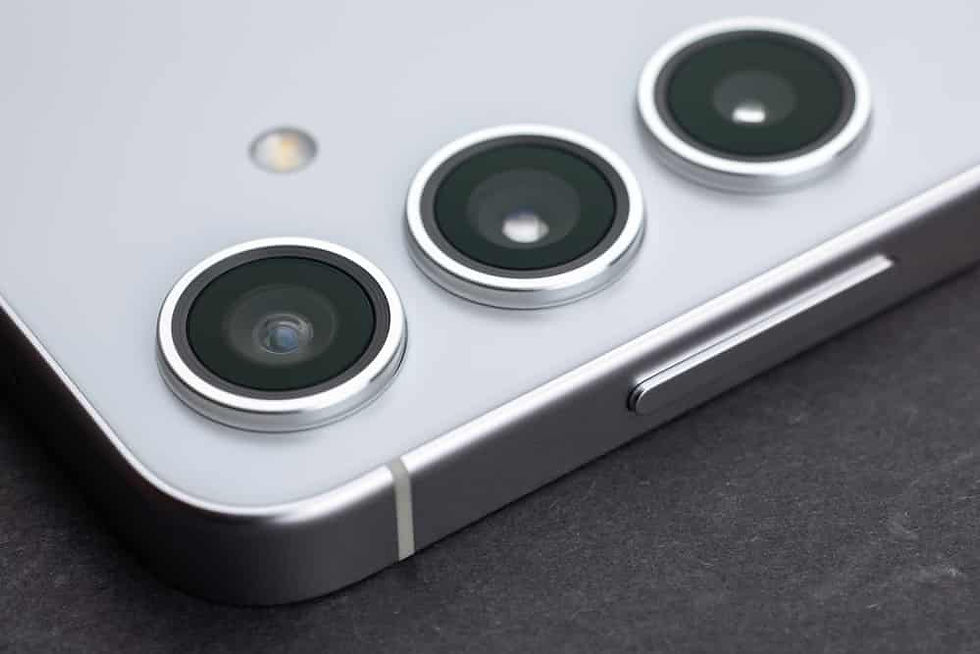
Camera performance has become one of the more reliable ways to predict how a device will perform after it is purchased.
Buyers may not analyze specifications in detail, but image quality is immediately noticeable. Softness, noise, and inconsistency across lighting conditions impact resale performance. Devices that maintain consistent image quality across environments tend to move faster.
Why Camera Quality Matters in the Secondary Phone Market
The expectations for smartphone cameras have increased. Buyers expect consistent performance, even in mid-range devices, and are less likely to accept basic image quality.
As smartphones are used more for social media and content creation, camera performance has become more relevant in the resale market. When these expectations are not met, devices become harder to move. A device may perform well in other areas, but weaker camera quality can slow resale.
Key Phone Camera Specifications That Impact Resale Value
Not every listed specification reflects real-world performance. Some metrics appear significant but do not meaningfully impact camera output.
The most relevant camera specifications relate to light capture, motion control, and resolution. These factors influence how a device performs once tested and graded.
Isolated specifications do not provide a complete view. Camera performance depends on how these elements work together in real use, which directly affects resale value.
Sensor Size and Image Quality
Sensor size determines how much light the camera can capture. Larger sensors, paired with larger pixels, produce clearer images with more defining details.
Two devices can have similar megapixel counts but different results. The smartphone camera with the stronger sensor will perform better and provide more consistent images.
Optical Image Stabilization (OIS) vs Digital Stabilization
OIS reduces motion at the point of capture, helping keep images sharp and videos stable (especially when lighting is limited). Digital stabilization works after the image is captured. It helps smooth motions in videos, but it does not address blur in the same way that OIS does.
Lens Setup (Wide, Ultra-Wide, Telephoto)
Lens configuration affects how a device can handle different scenarios. A standard lens covers the general use of the camera, while ultra-wide and telephoto lenses expand the range. Optical zoom maintains the clarity of an image while the focal length changes, and digital zoom reduces the quality of an image by enlarging it.
AI Imaging and Computational Photography
Image processing plays an important role in modern camera systems, regardless of whether it is a smartphone. The software has to combine several frames and adjust exposure before refining all the details before it saves the image.
The inclusion of AI processing is one of the reasons newer devices outperform older ones, even when the hardware differences seem minor. Stronger processing allows certain camera specifications to stay competitive.
Low-Light Performance
Low-light conditions can quickly reveal weaknesses in a smartphone’s camera quality. Cameras that struggle in these conditions produce grainy or blurry images. Devices that handle low light well rely on a combination of sensor size, stabilization, and processing software. These elements are often tied directly to the underlying mobile phone camera module specifications.
How Camera Specs Affect Wholesale Pricing and Depreciation
Phone camera specifications have a direct influence on how long a device can remain competitive in the resale market, as devices with stronger camera systems tend to hold demand across multiple release cycles.
Devices with weaker camera performance decline in value more quickly as newer models enter the market. This results in increased pricing pressure and more frequent price adjustments over time.
Common Camera Issues in Used Phones
Camera problems are typically not visible during a physical inspection. While obvious signs are a broken or scratched lens, a ‘clean’ looking device may still produce poor results once tested.
Blurry images can indicate internal lens damage or stabilization issues. Autofocus may fail or drift, and dust or moisture inside the lens can leave marks that show up in photos. Software-related problems can also negatively affect performance. The camera may lag or crash, or otherwise behave inconsistently. These issues can appear intermittently as well, which makes it harder to catch without a structured phone camera quality check.
Any of these problems can reduce value, even when the rest of the device passes the performance check as expected.
Phone Camera Quality Check (QA Checklist for Resellers)
Check the lens for damage
Take photos both in bright and in low-light conditions
Test the autofocus at various distances
Record a short video to evaluate stability and exposure
Switch between all lenses
Compare images to verify consistency
Restart the device and repeat the test (take photos, test autofocus, record video, switch between lenses)
Confirm the camera app opens and operates without issue
This checklist for a structured phone camera quality check helps separate cosmetic issues from performance problems that can be tied to underlying mobile phone camera module specifications.
Best Practices for Buying Phones in Bulk Based on Camera Specs
Evaluating cell phone camera specifications before purchasing used phones in bulk can help reduce any uncertainty later. Models that pass checks on sensor performance and stabilization tests tend to matter more than those with higher megapixel counts. Reviewing how different models handle low-light conditions and motion can also provide useful insight.
Maximizing Profit Through Camera Quality
Camera performance affects how devices move through reselling channels once they are listed. Phones that produce reliable results tend to sell without much resistance.
Accurate testing plays a role as well, because when a device is graded correctly, and the camera performs as expected, the transaction is more predictable. For bulk buyers, phone camera specifications remain one of the most consistent indicators of how inventory will perform over time.


